
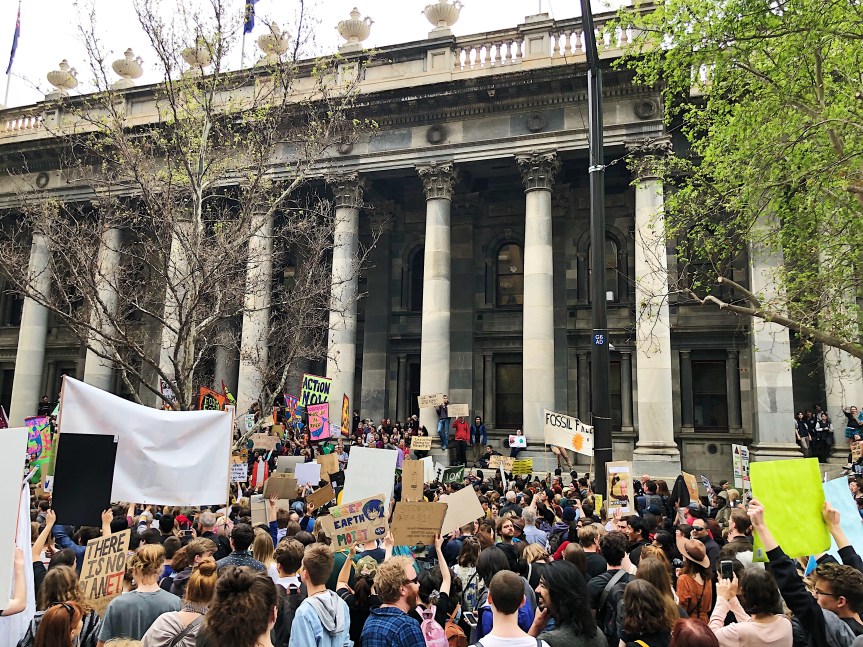
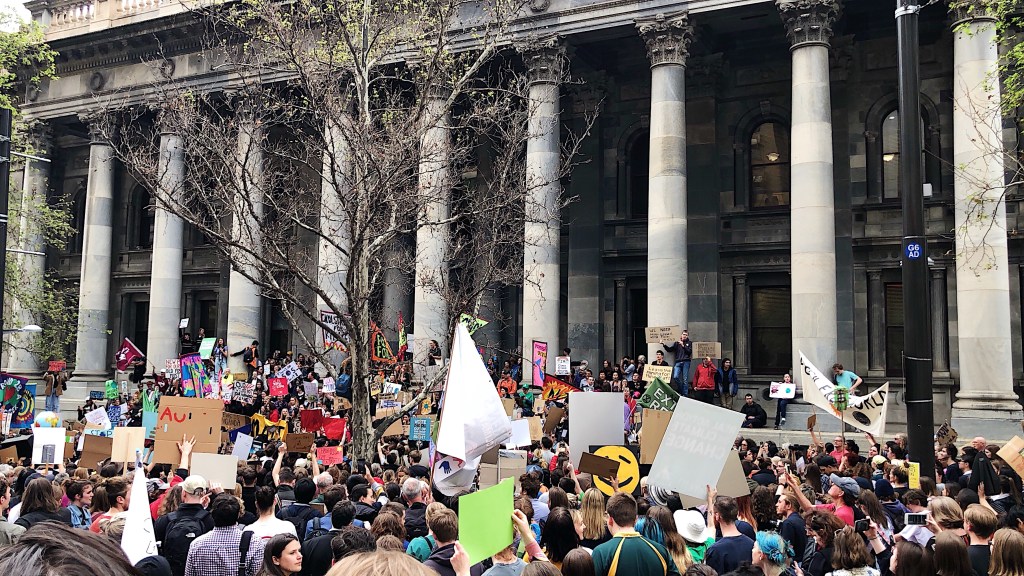
The light of the hazy, overcast sun trickled down onto the Square. The bustling of the crowd below emitted a feeling of unconfined anticipation and anger. Not a spiteful anger, a passionate anger. The kind of anger that makes your heart beat faster and your sets your mind alight. It was the kind of anger that inspired change. It was the kind of anger that we needed.
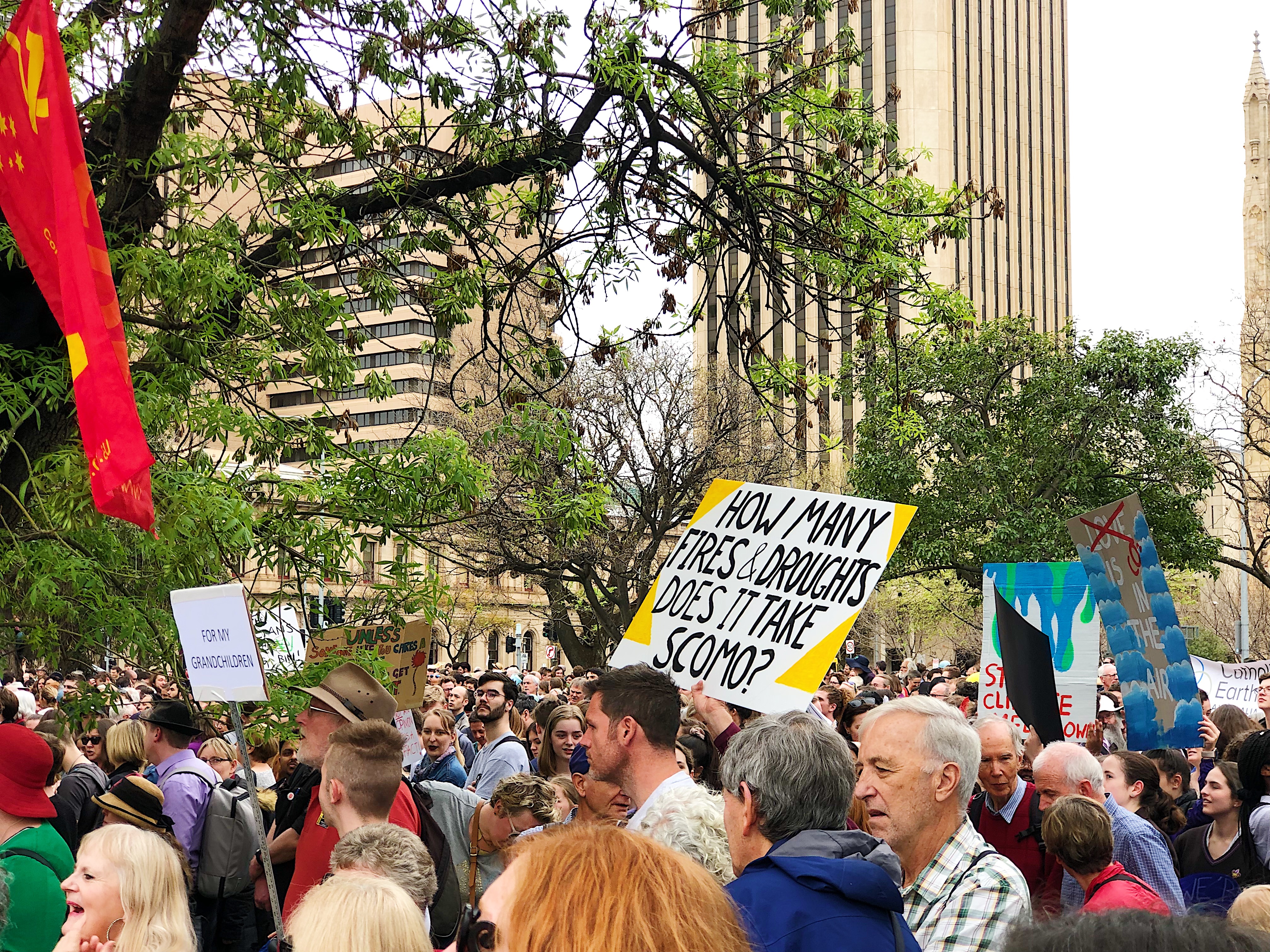
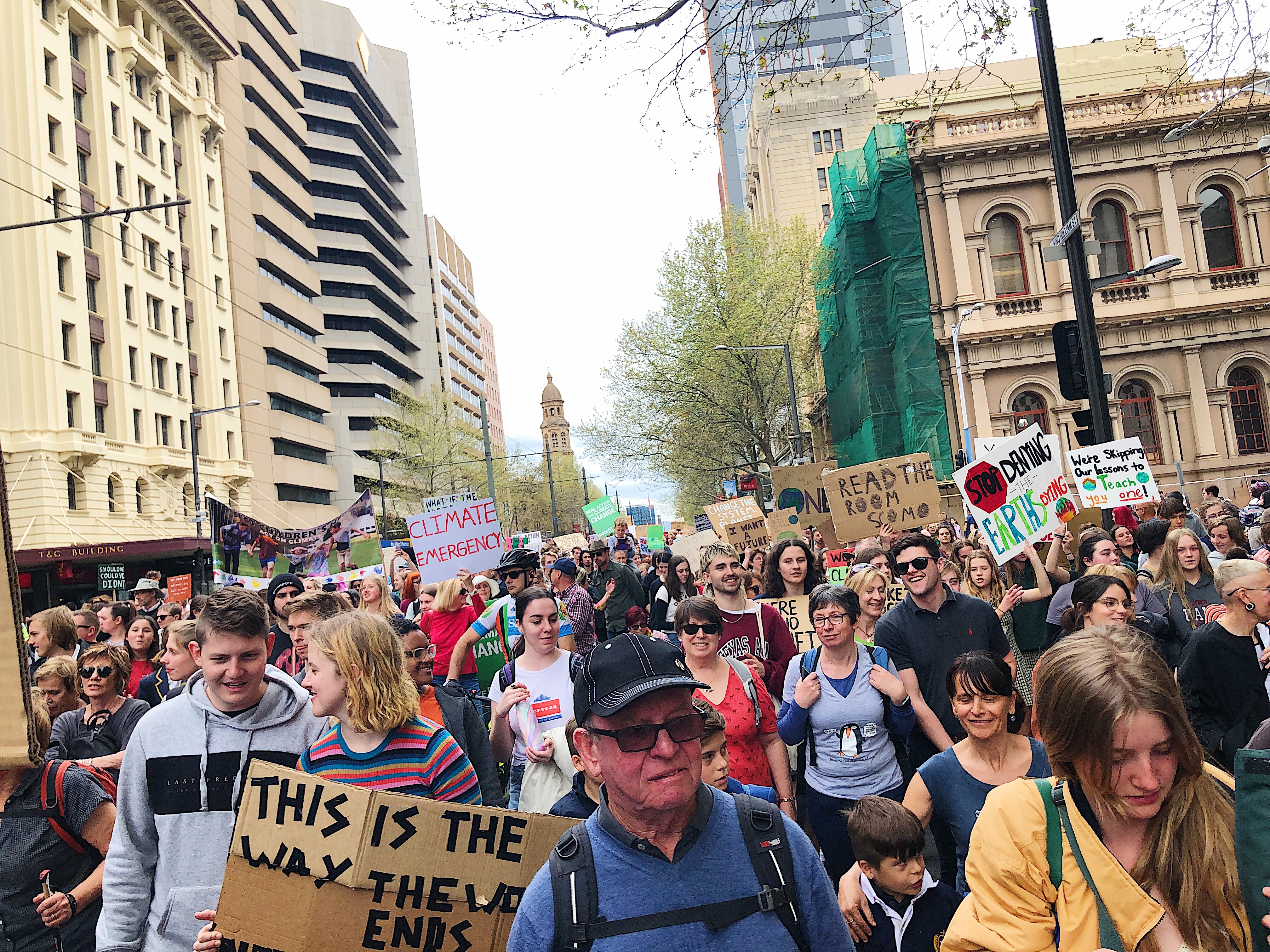
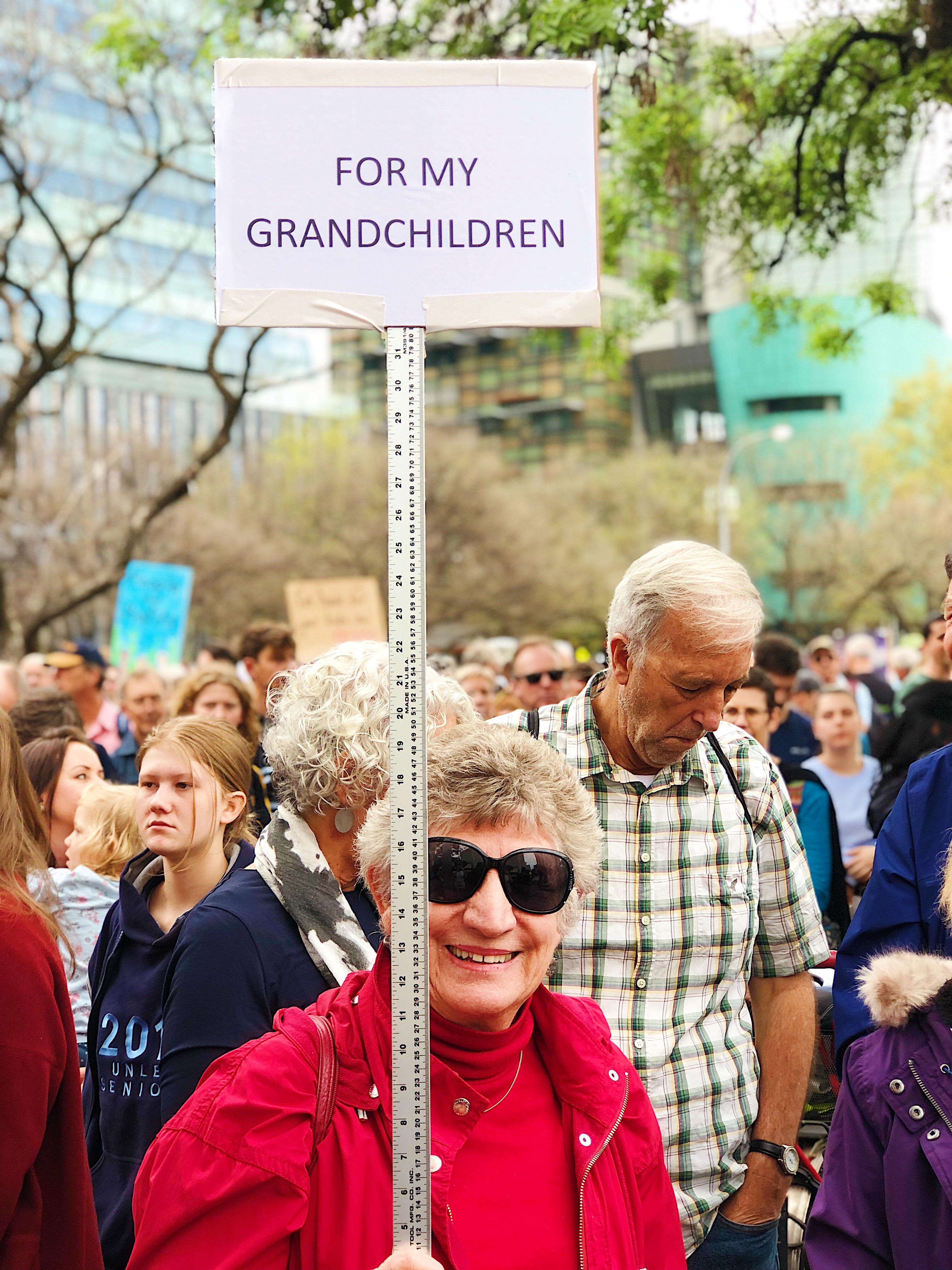
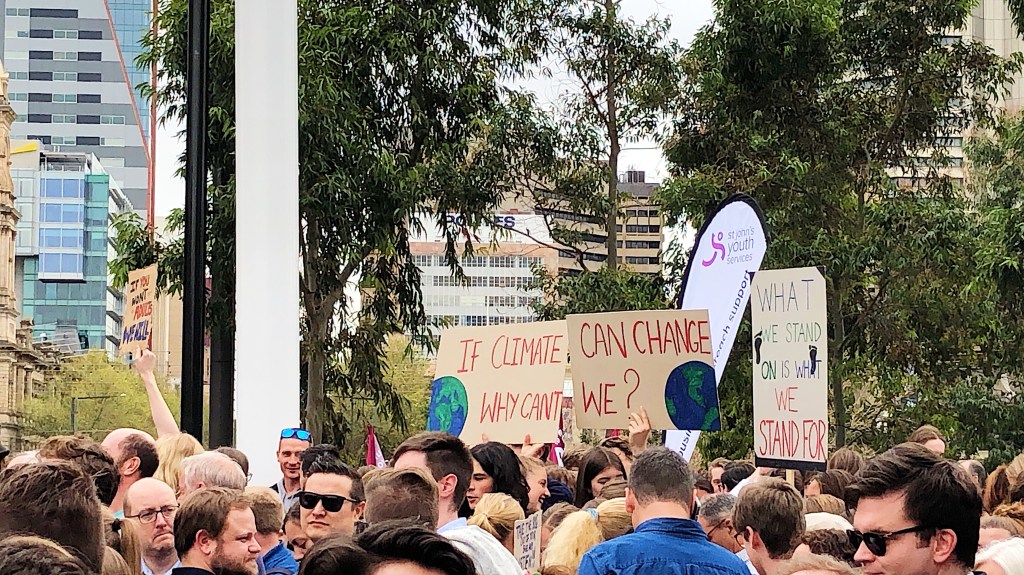
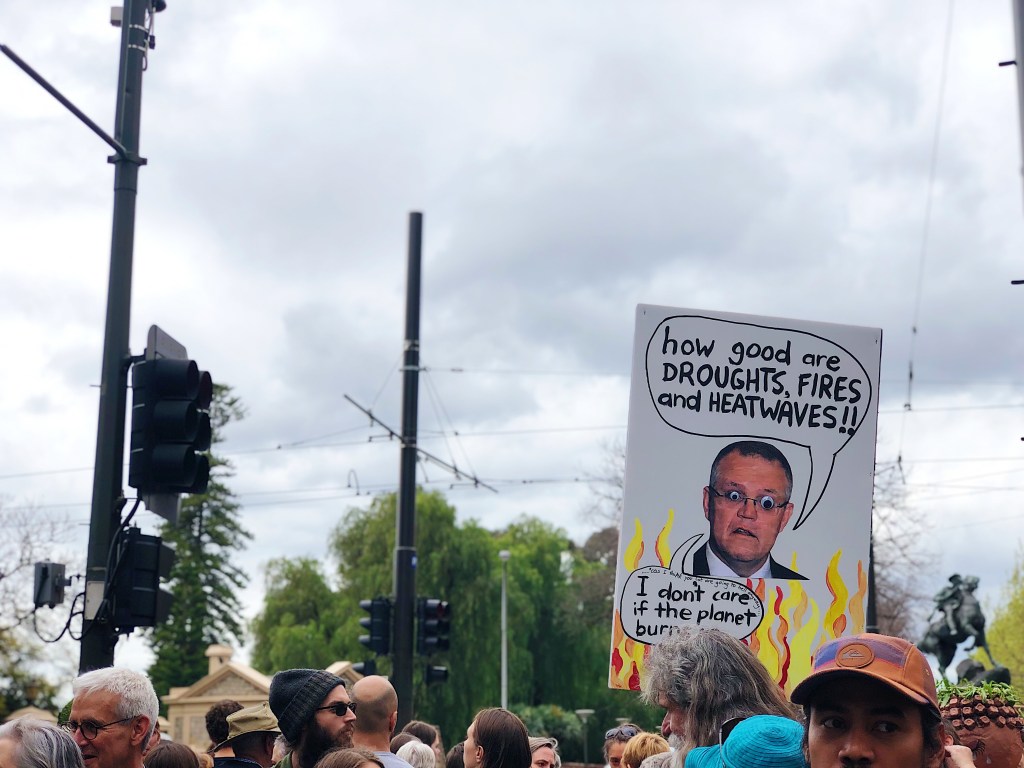
On Friday the 20th of September, 2019, people around the world marched in the global movement, ‘School Strike 4 Climate’. The protest started in 2018 when fifteen-year-old Greta Thunberg decided not to go to school. She decided this because she couldn’t justify being educated for a future she wasn’t going to have. Instead, Greta sat outside Swedish Parliament with a sign that read “skolstrejk för klimatet”, or in English, “school strike for climate”. In the year since her first protest, her actions and advocacy have inspired people around the world to make changes in their everyday lives and demand for global climate action. In Australia alone, an estimated 350,000 people united across the country for the protest. In the regional city of Adelaide, South Australia, nearly 20,000 people left their workplaces, their homes, and their classrooms to meet in the centre of the city, Victoria Square, in an attempt to capture the attention of government and people around the globe, and demanded serious action against the rapidly increasing threat of climate change. And I was one of them.
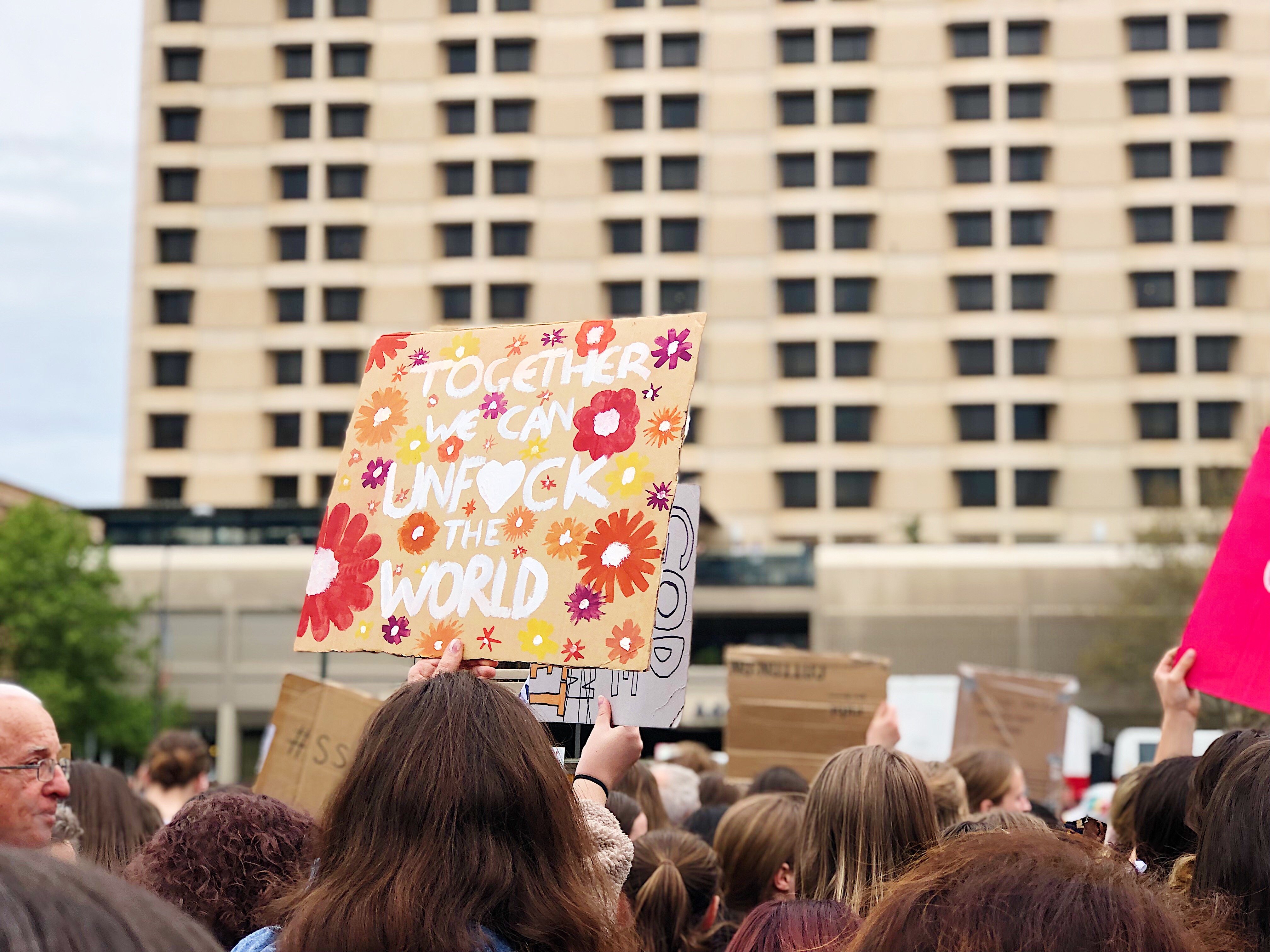
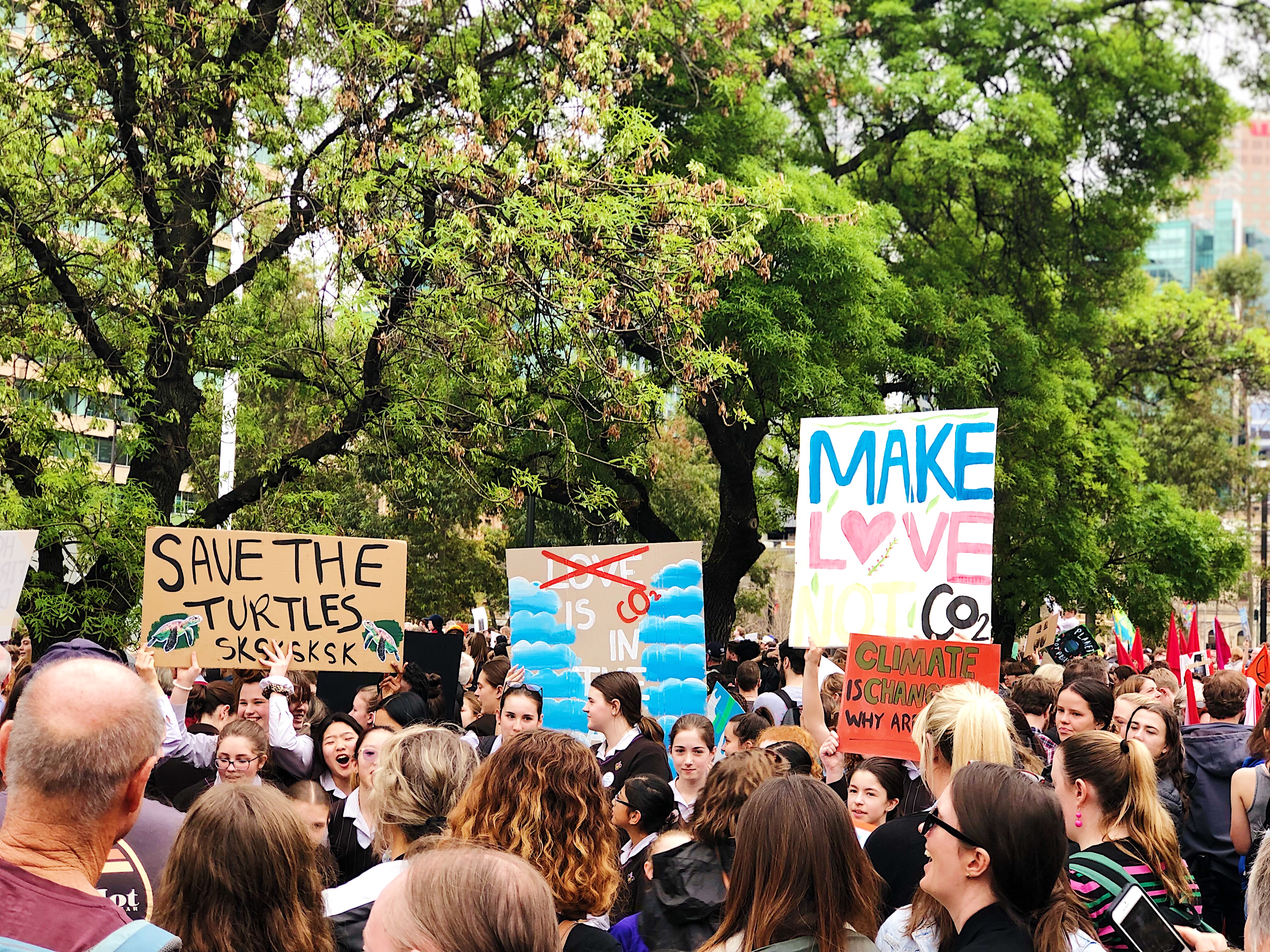
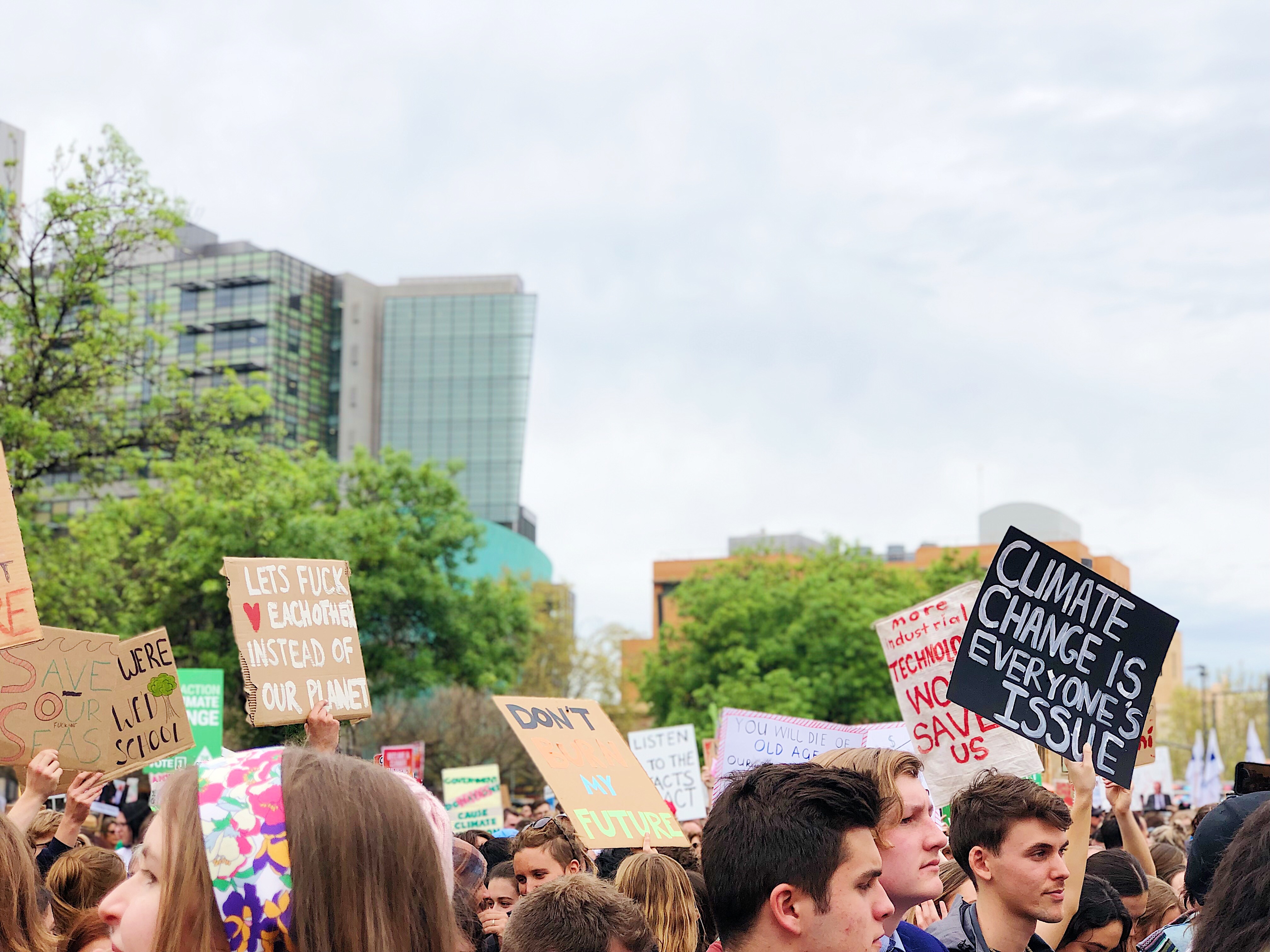
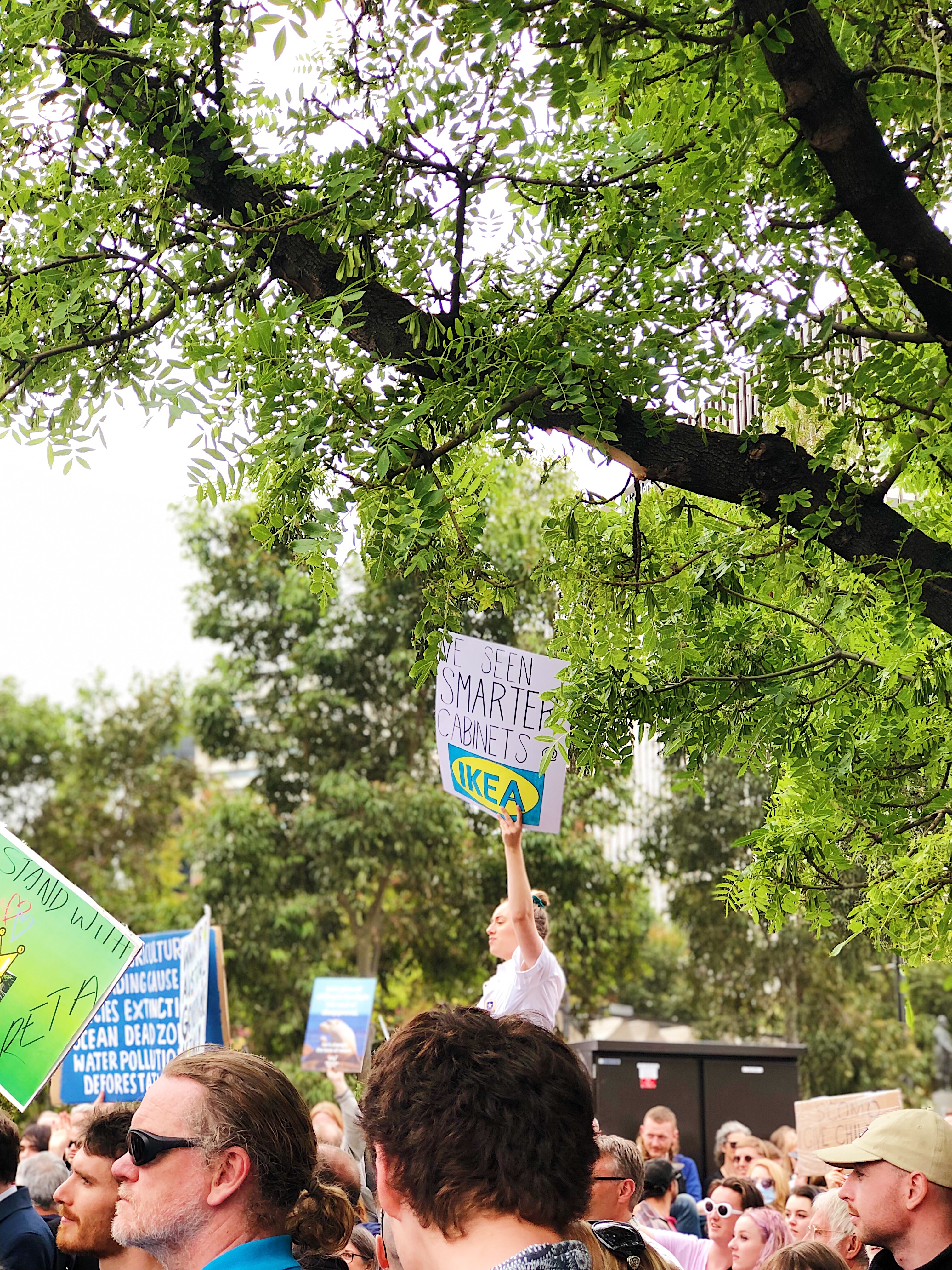
The protest began at 12 o’clock, and only fifteen minutes before it was scheduled to start, I was still deciding whether to go or not. Earlier that week I made the choice to not go. Not because I didn’t want to, but because like most people I had things to do. I had errands to run, two piles of laundry sitting in the corner of my room, and like most Uni students I had an assignment to submit the next day. And like most Uni students I hadn’t even started. I felt busy. I told myself that I was only one person if I didn’t go the march would go on. Anyway, wasn’t I doing my bit outside the protest as well? I had reduced my meat consumption and plastic waste. I used sustainable alternatives and made eco-conscious choices. I decided that because of these things didn’t need to go to the march.
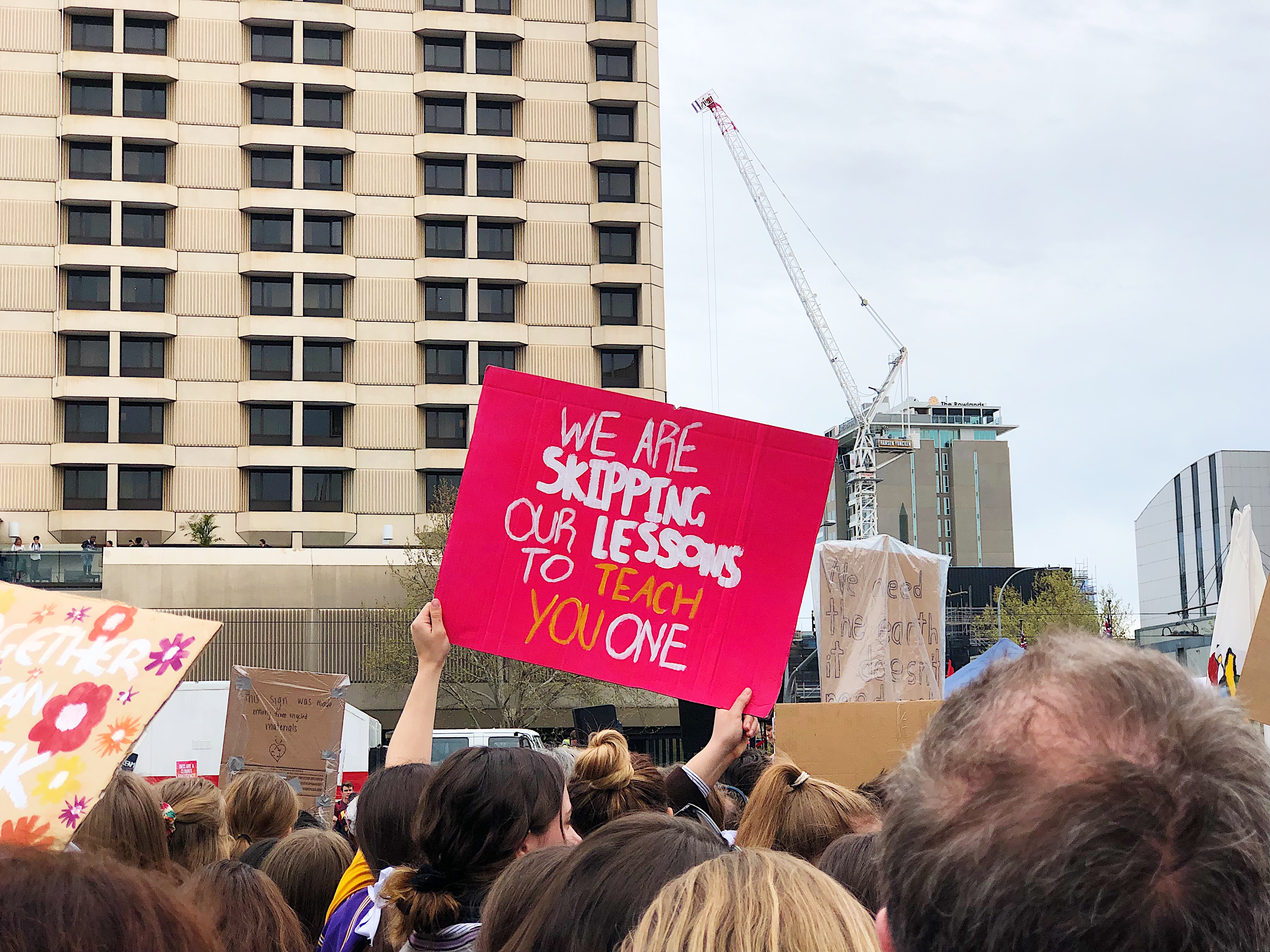
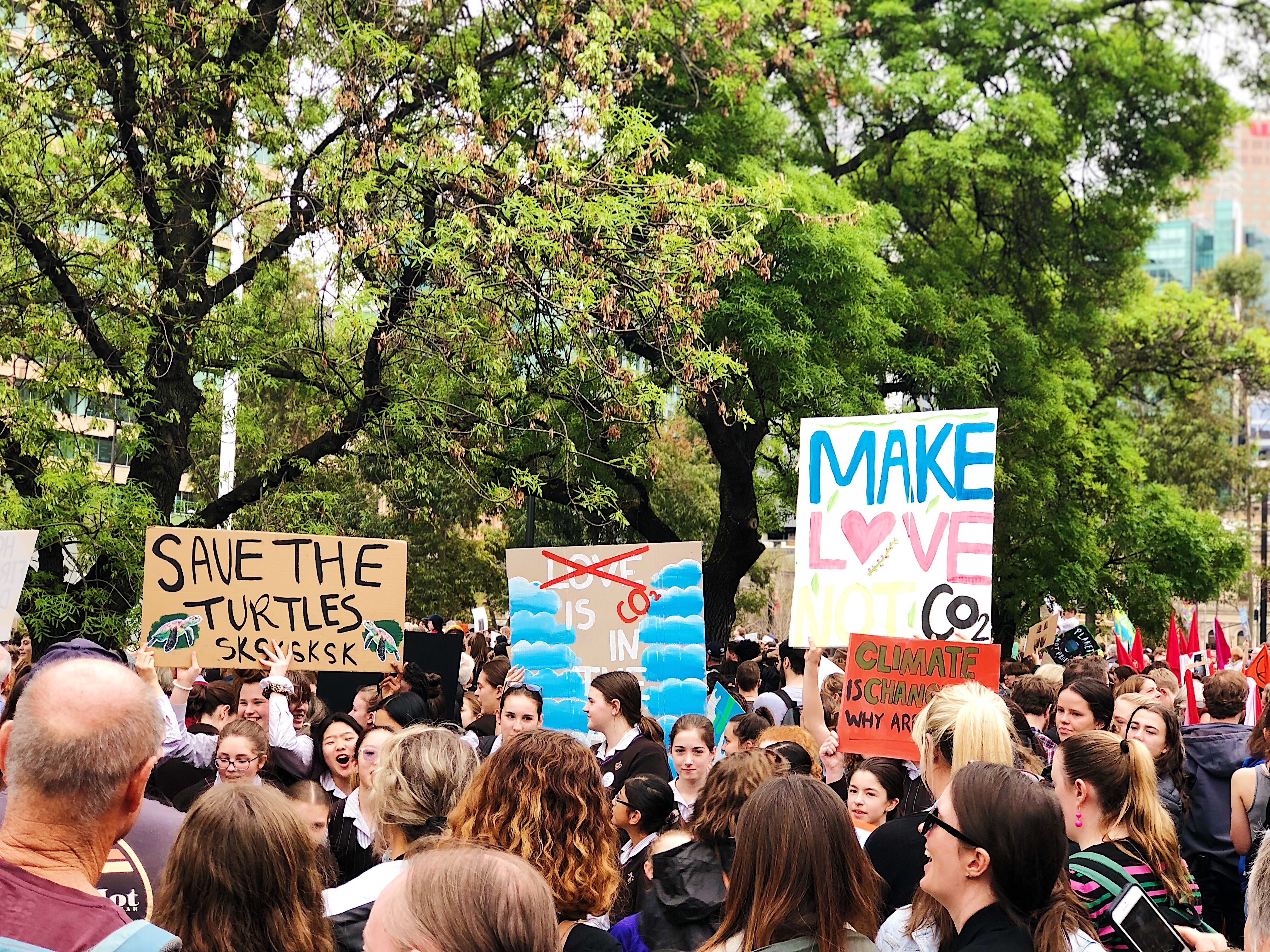
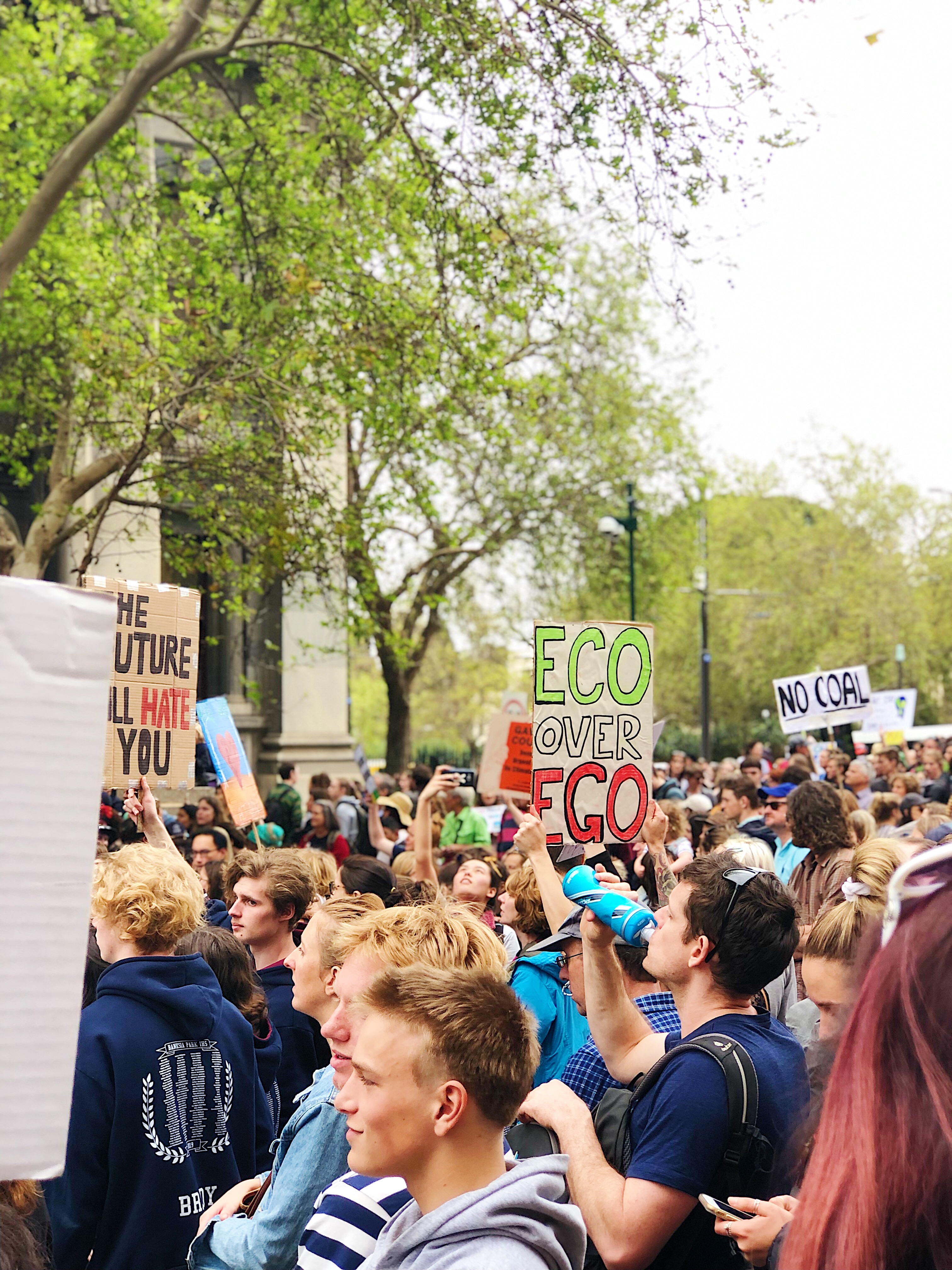
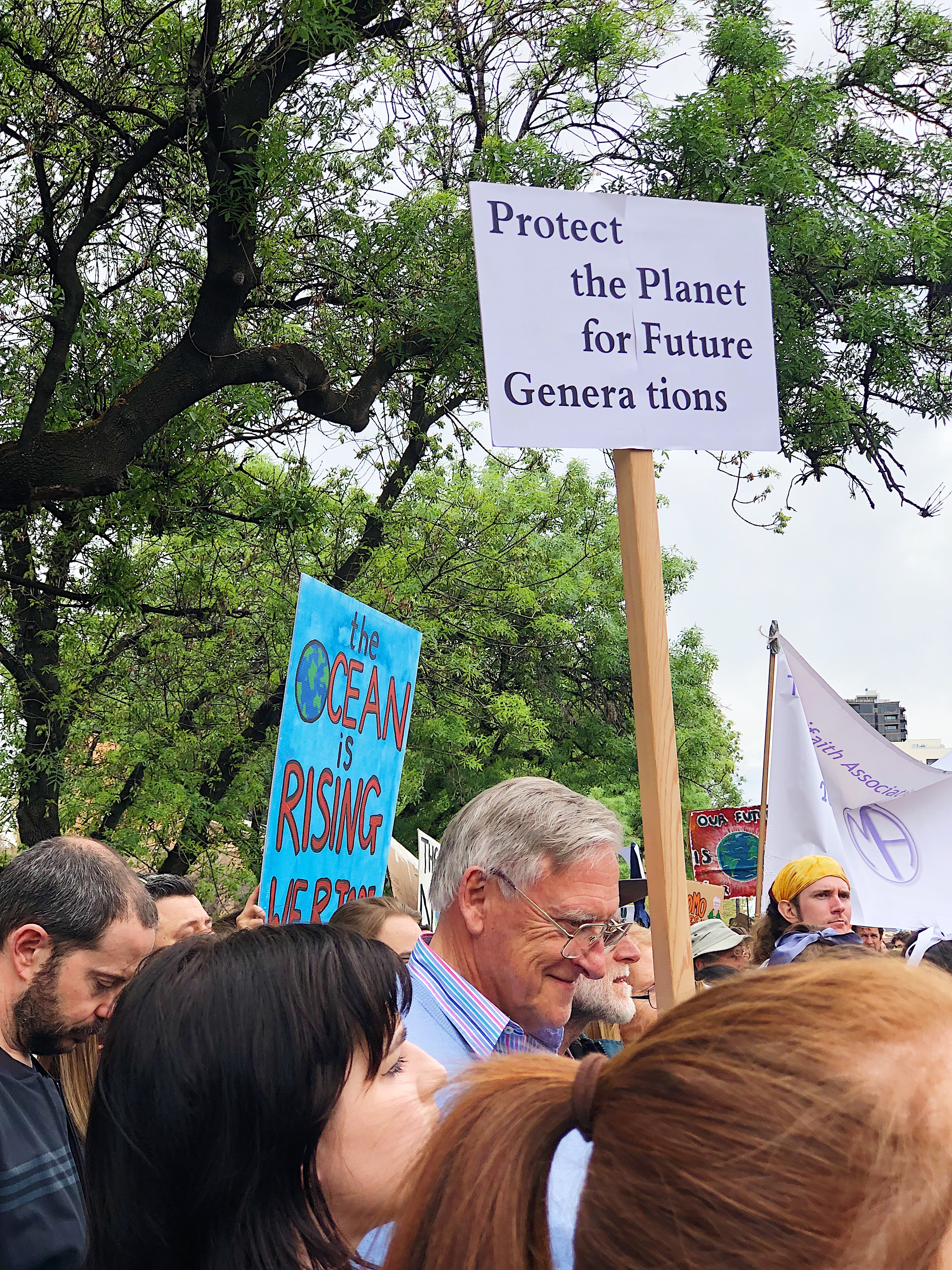
But, I think the levels of importance we place on mundane everyday tasks sometimes puts things out of perspective. Like me thinking my dirty laundry and unfinished Uni assignment was of higher importance than climate action. Because that’s what I was doing. As the closer the strike got, the more minutes ticked by, the more I realised what this strike actually was. It wasn’t just a bunch of kids kicking up a fuss about some trivial issue, it wasn’t just a group of people getting together agreeing climate change was a problem, it was a mass movement of people who sacrificed time their everyday lives to participate in a global movement for change, because we can no longer go about our lives like ‘business as usual’. Because it’s not, it can no longer be. Me staying in and finishing my Uni assignment would have been ‘business as usual’, I would have carried on like there’s nothing wrong. But there is, and I didn’t. Why should I be studying for a future I will not have? Why should I waste my years writing assignments if I’m not going to do everything I can to make sure my hard work gets put to use. Why should I think that my essay is more important than the future of my planet? Because it’s not.
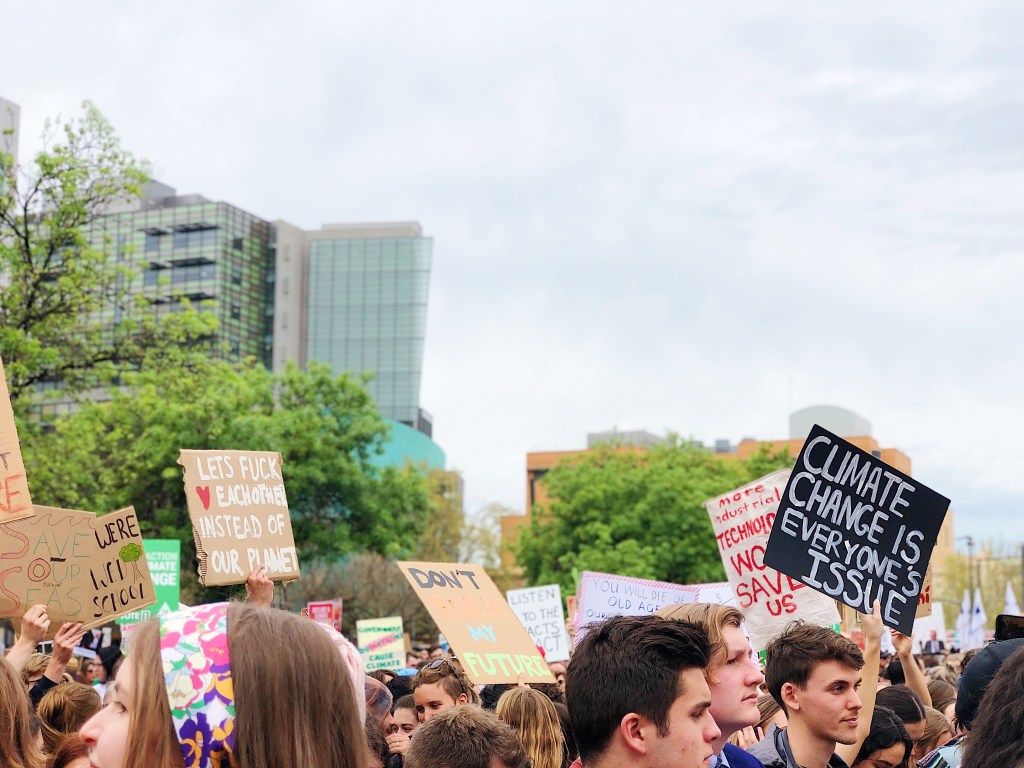
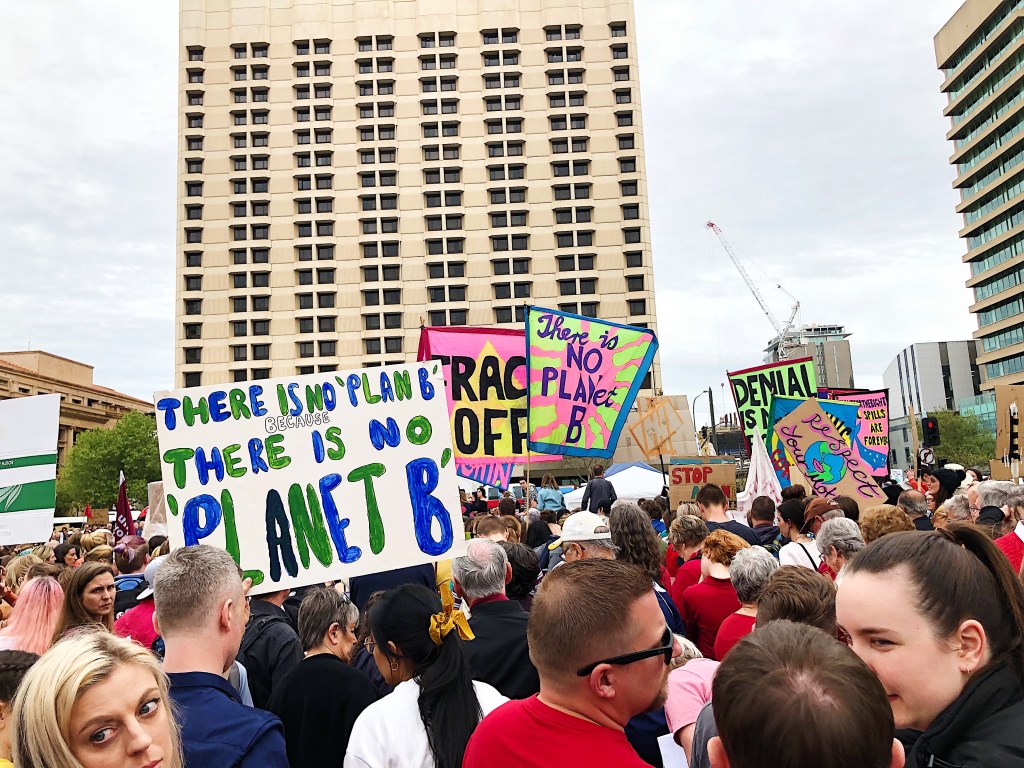
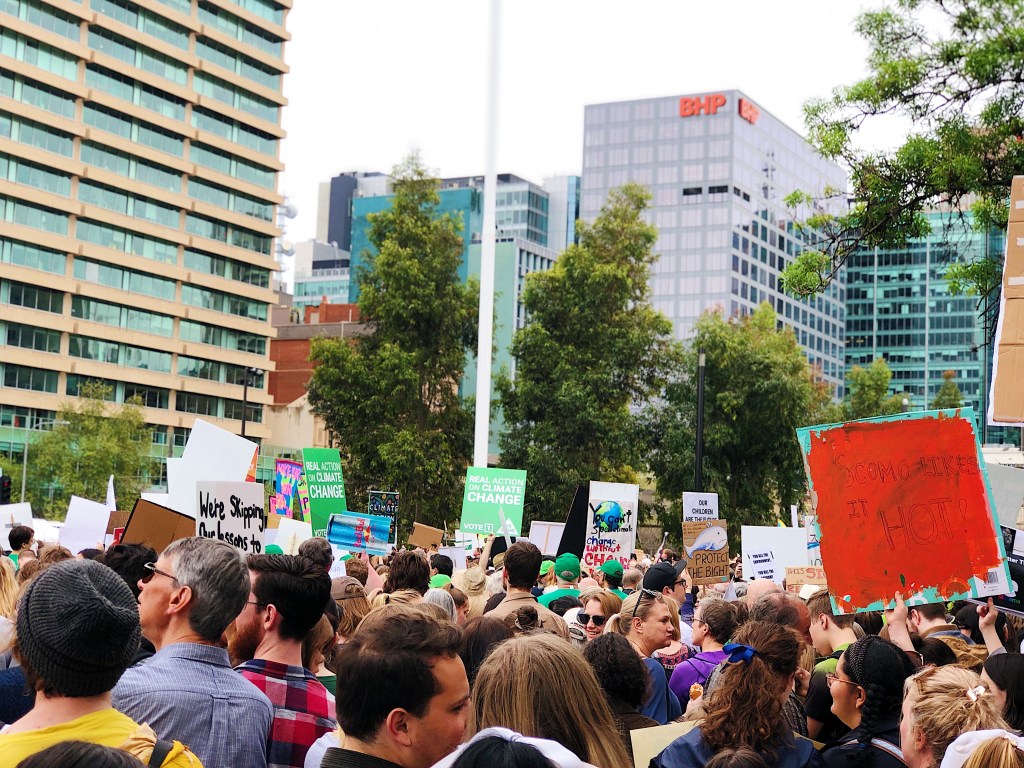
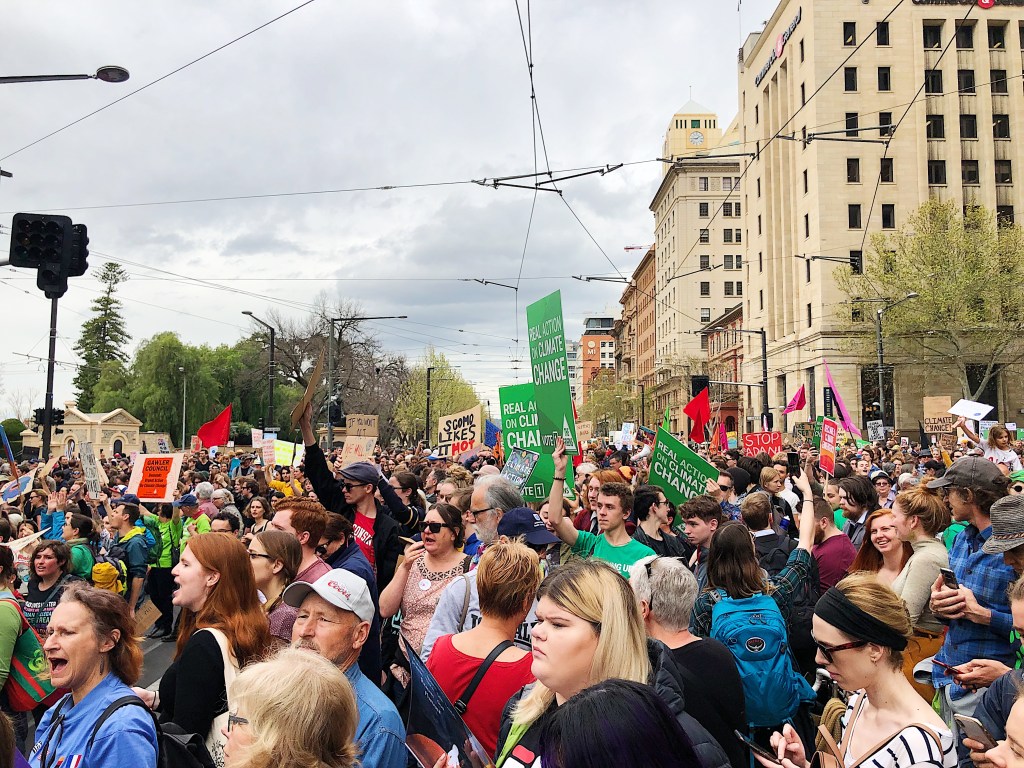
Going to the march made me realise a few things.
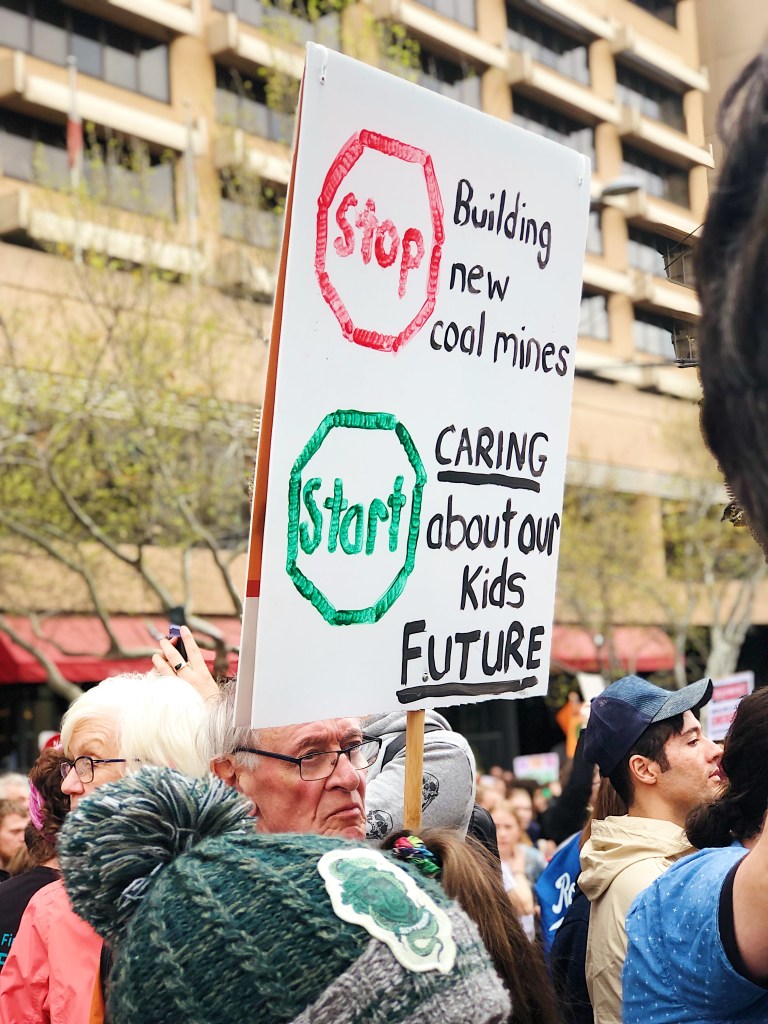
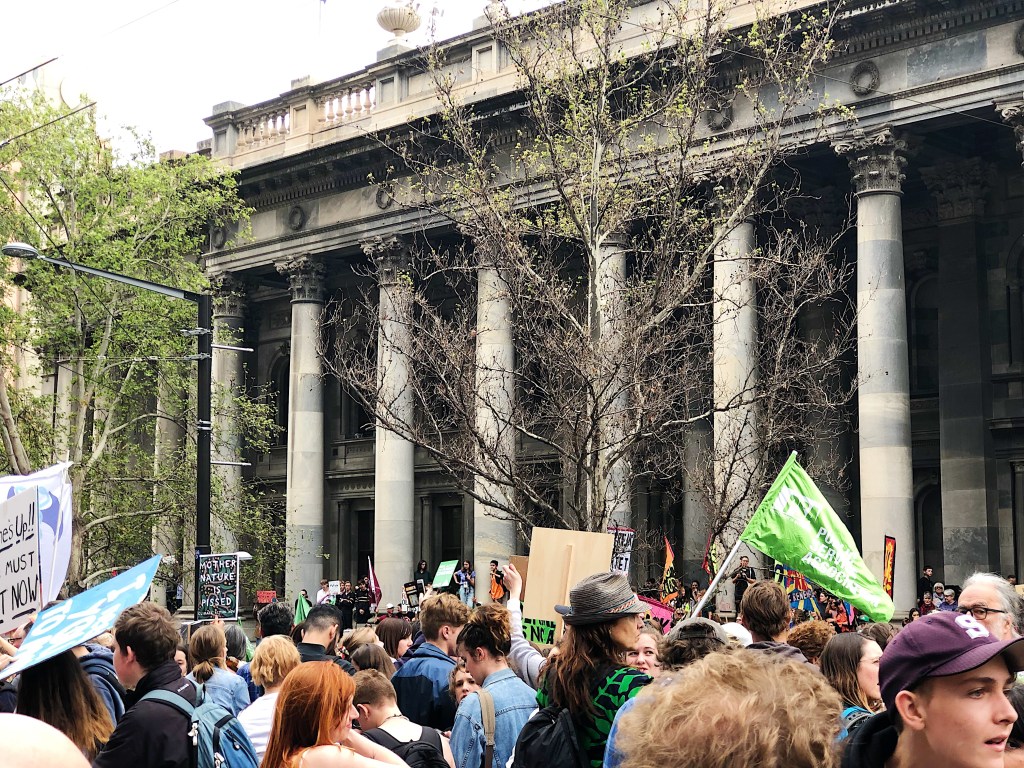
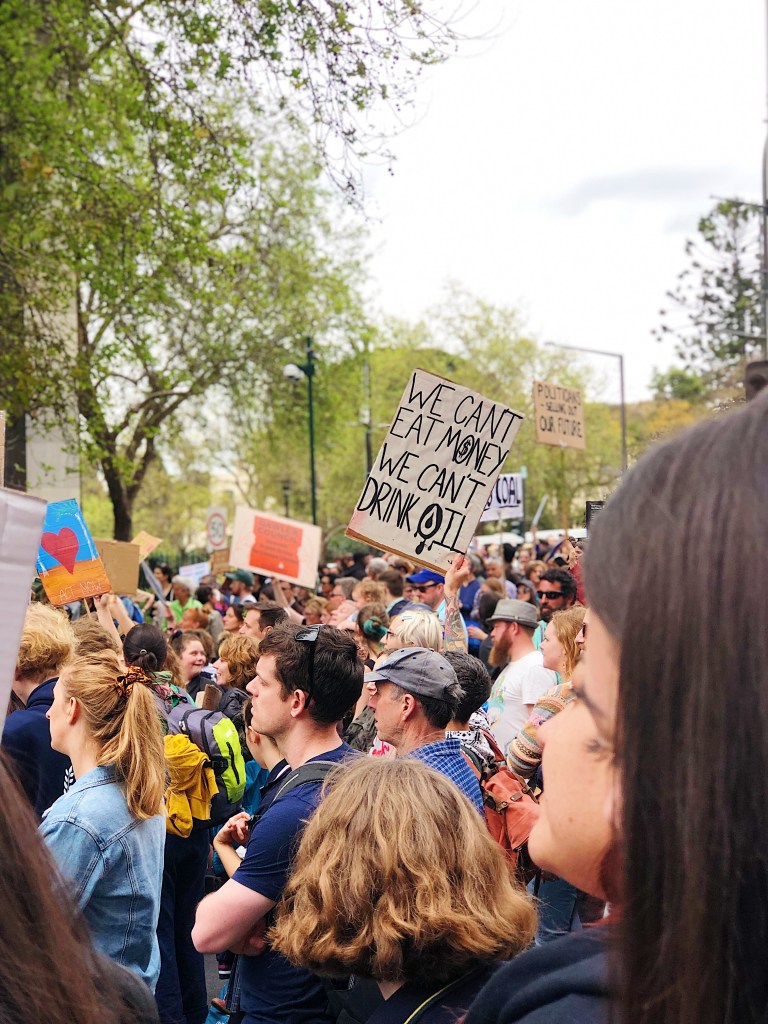
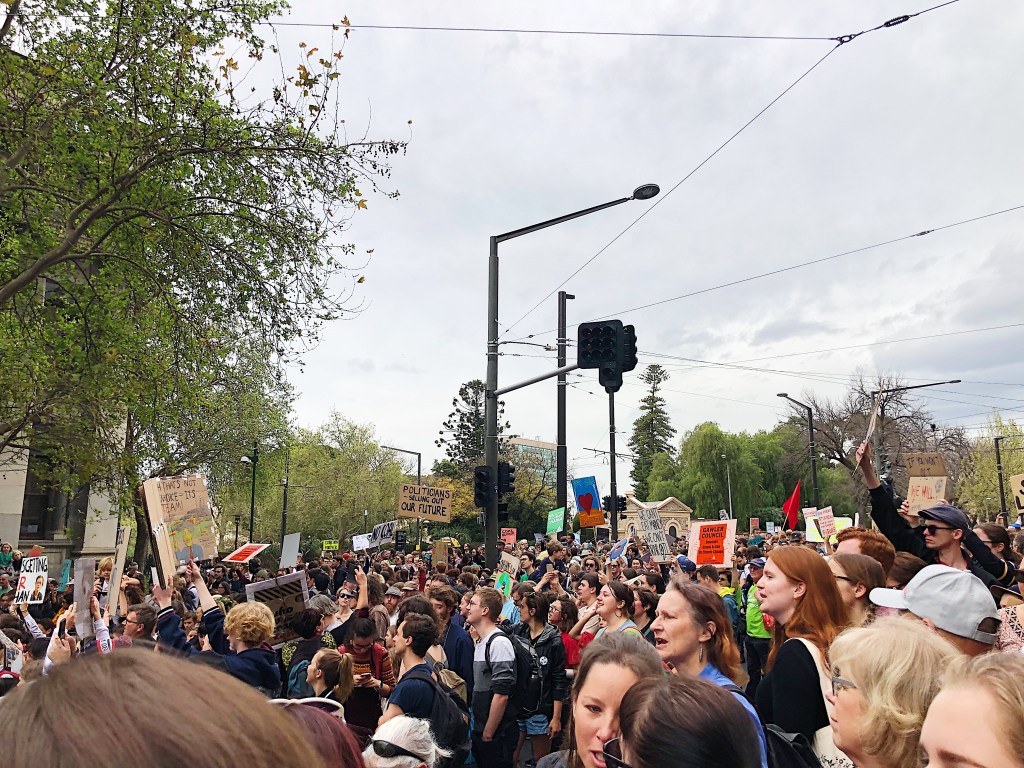
First, that there are very few things that are more important than the future of our planet. As someone with a myriad of different privileges, I am in a unique position that enables me to make changes in my life. Changes that help the planet. Not everyone can live waste-free, or buy sustainable clothing, some people can’t reduce their meat consumption, or make eco-conscious swaps of everyday items. Some people don’t have the funds, the education, or even the ability to do these things for whatever reason, so it is up to those who can, who can make the sacrifices, who can make the changes, and who have the tools and resources to live like this to do so. The future of the planet is more important than my everyday comforts and habits, and as someone who is equipped to change, I will. The planet is more important.
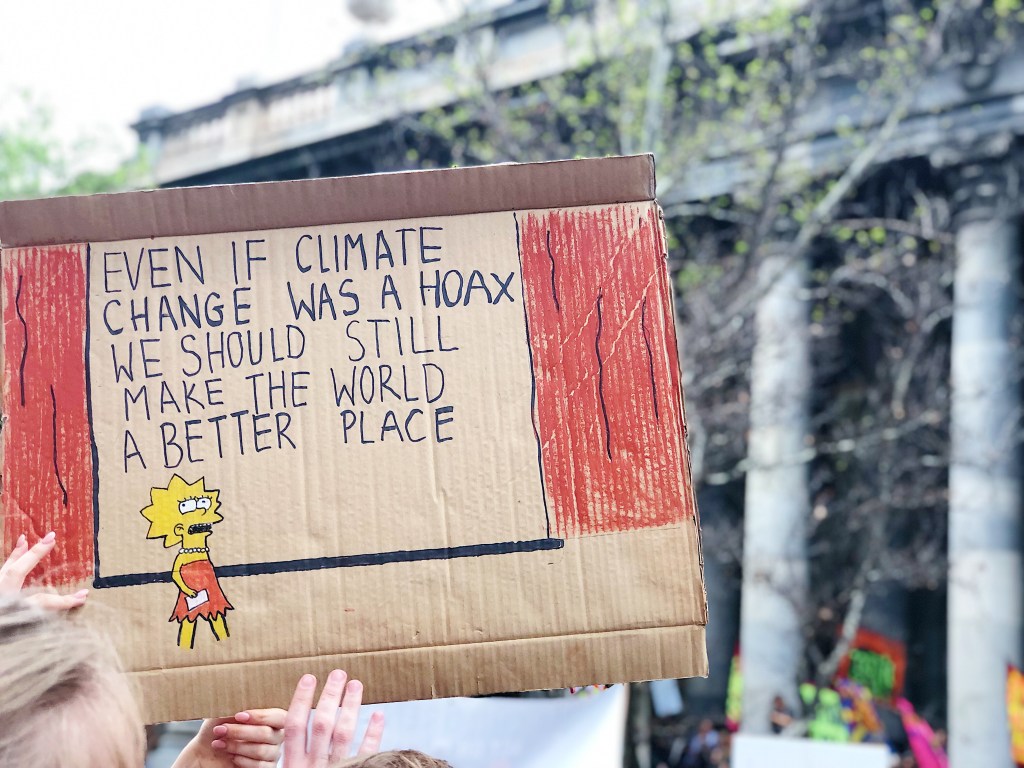
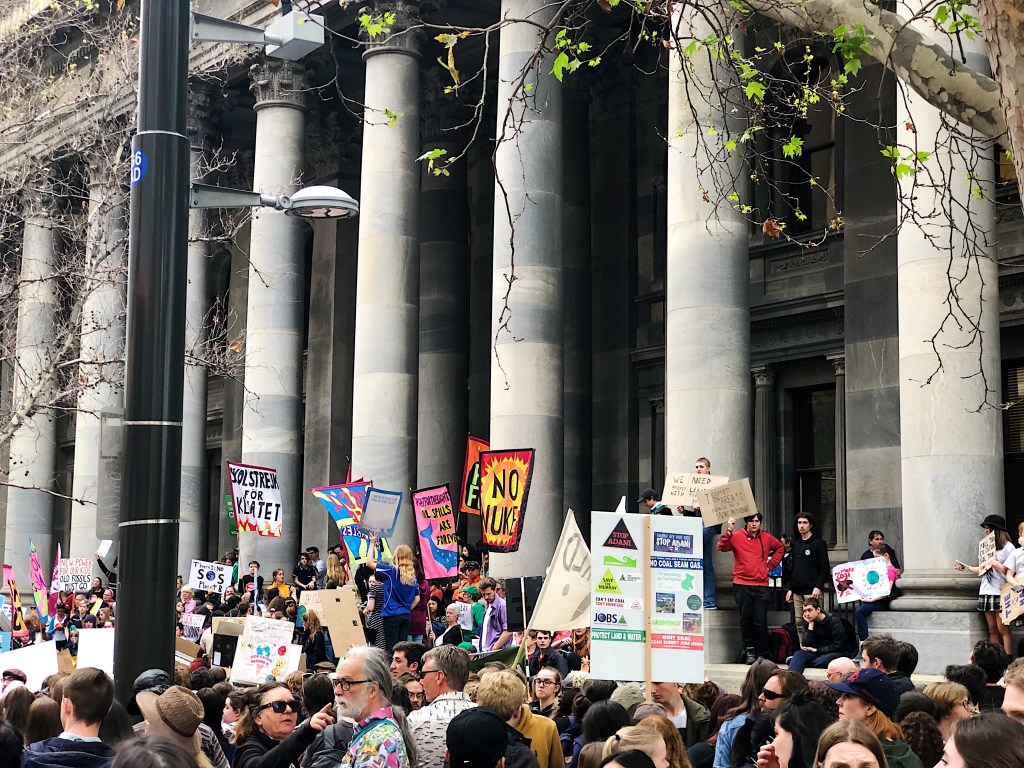
Second, the power lies with the people. Although it is true, a lot of power lies with governments, with big corporations, with people with the most money, but there is also power in numbers. If one fifteen-year-old can inspire a wave of change so big it washed over the entire world in a year, think about what 20,000 people in Adelaide could do, or 350,000 people in Australia or the hundreds upon hundreds of thousands of people around the world could do if we keep doing what we’re doing. I believe that people have the power, and if we live in a way that demands sustainable and eco-changes through all areas of life, the government will have no choice but to follow.
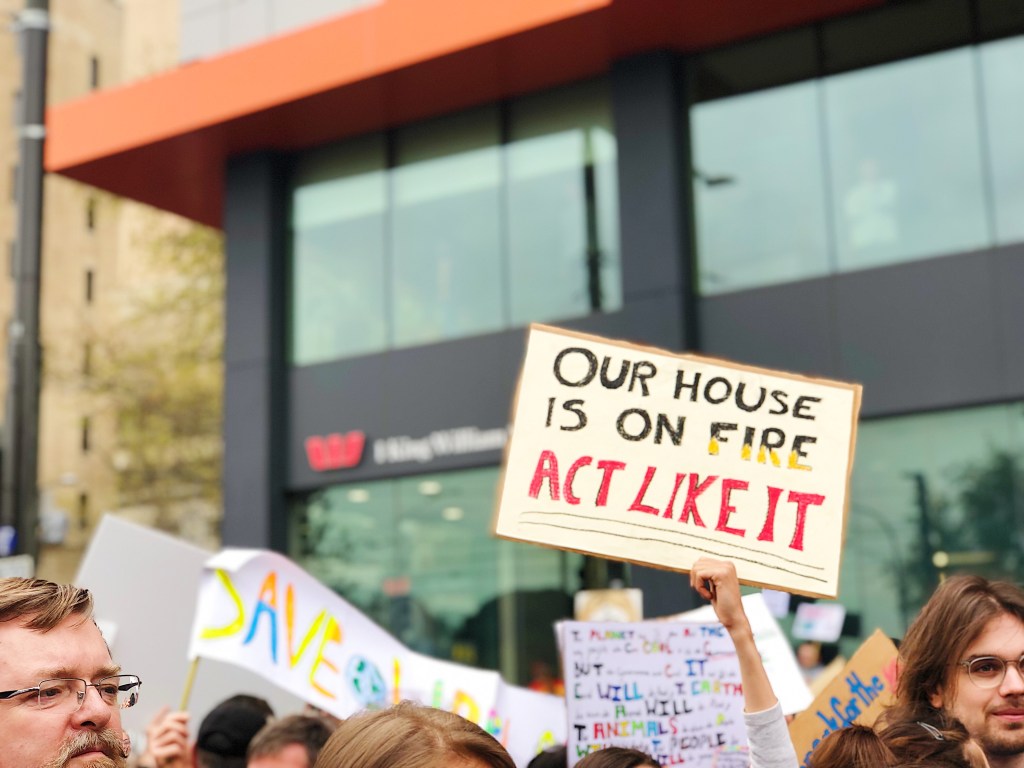
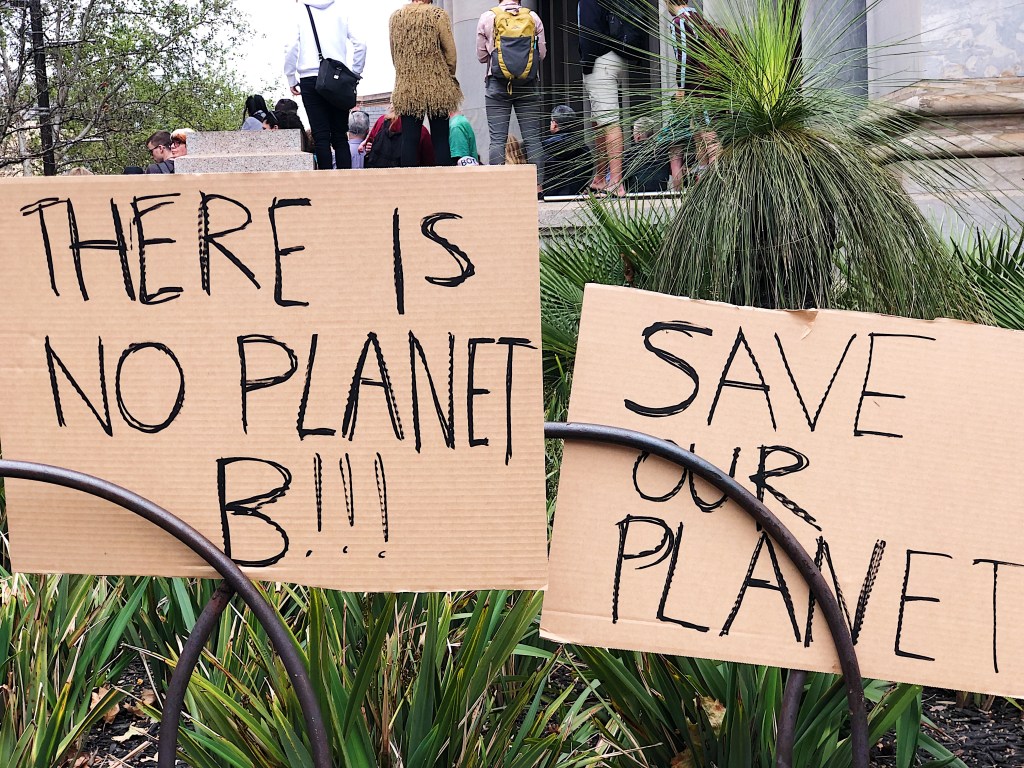
And thirdly, I learnt that I am not alone. I learnt that we are not alone. Not anymore.
 All The Small Things