
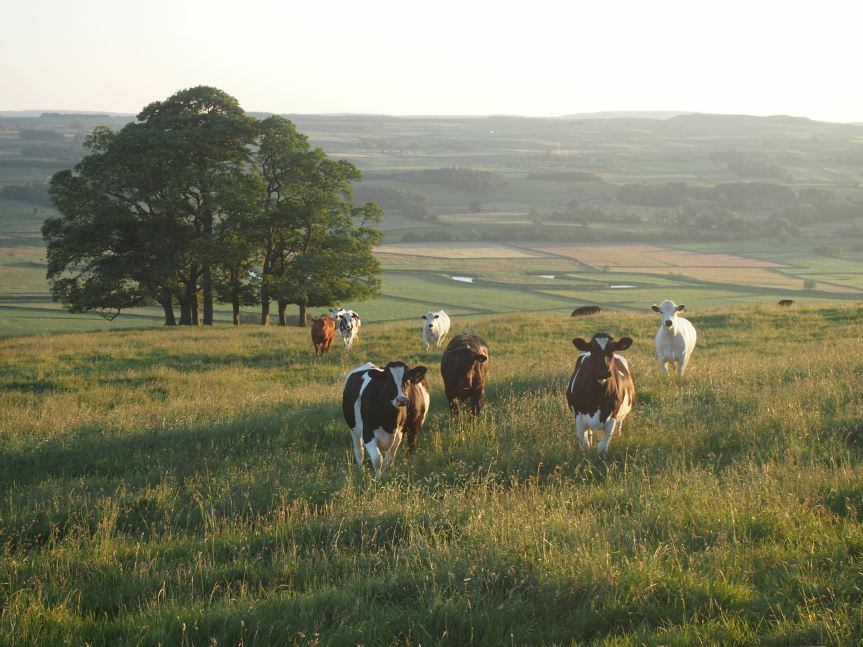
The presence of meat on plates is a common occurrence for people all around the world. Meat is a normal, even expected addition to a dinner time feast, a light lunch, and sometimes even to your morning breakfast. But, although there is certainly a place for meat in our diets, it’s production is having a major impact on our environment and climate. So, with the production of meat and fish being major contributors to climate change, there is no better time than the present to reflect on how your eating habits impact our planet.
1. Green House Gas Emissions
According to the Our World In Data organisation the production of meat and fish is responsible for 31% of global food emissions. This includes livestock used for meat, dairy, eggs, and seafood, but doesn’t even begin to include the additional emissions of land clearing and usage, as well as the packaging, transporting, and retail emissions which, when the two are combined, equate to an additional 42% of emissions. These emissions then go on to impact our planet, atmosphere, and ultimately our climate, with consequences that include shrinking water supplies, an increase in severe weather and natural disasters, and mass geographical changes including a permanent rise in global temperature.
2. Land Clearing and Deforestation
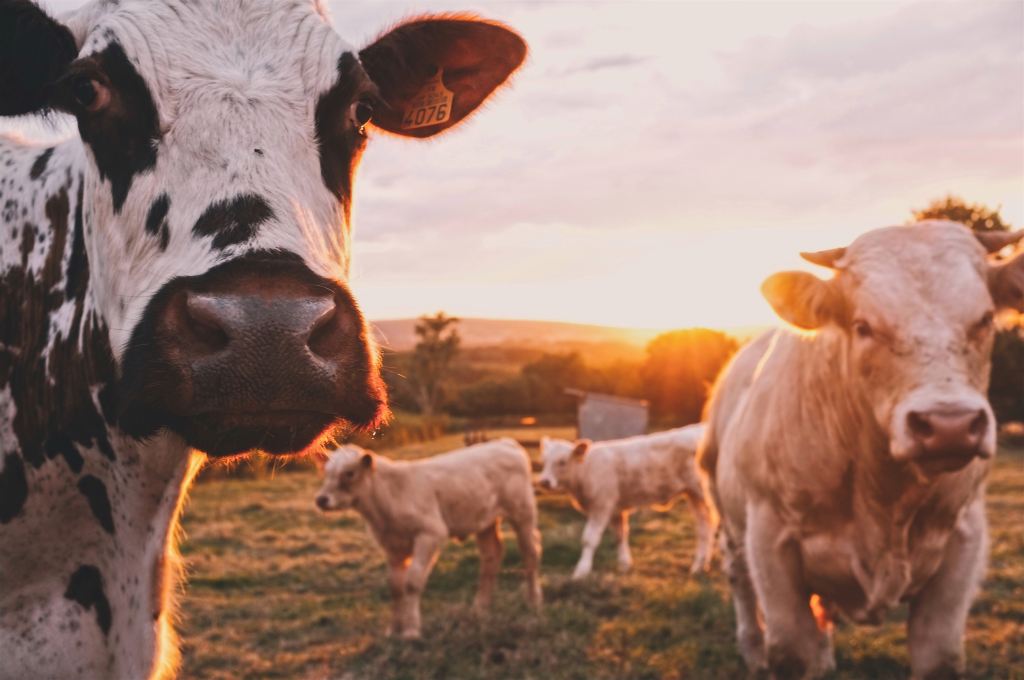
In order to farm the massive volume of animals used for meat consumption land clearing has become a common and destructive practise, with beef production alone being the leading cause for deforestation in the Amazon Rainforests. Remember the Amazon fires earlier this year? The one that could be seen from space? The one that was burning out of control for weeks? The one that was burning through one of the largest global oxygen producers? That was caused by farmers who deliberately, and illegally, started to burn off forest to clear for more land to farm their animals. In Australia land clearing also continues to be a prevalent issue with 73% of land cleared in Queensland occurred due to beef production. As a result of this, animals and their natural habitats, which often include native vegetation, are destroyed. Biodiversity is threatened as animals are killed at alarming rates, or forced out of their homes into unknown environments where they struggle to survive, all in the name of human meat consumption.
3. Water Consumption and Pollution
And finally the sheer volume of water used for the production of meat is almost unimaginable and also completely inefficient. According to the Water Footprint Network, in order to produce one kilogram of beef farmers require 15415 litres of water, for sheep and goats they need 8763L, for pigs they need 5988L, and for chicken they need 4325L. These numbers are incredibly high in comparison to the water required for one kilogram of ‘fruits’ and one kilogram of ‘vegetables’, which when combined equates to a total of 1284 litres of water. In addition to the water that is being used just to raise and keep these animals alive long enough for slaughter, to clean their waste is another huge water expense causing water pollution. With livestock producing 130 times more waste than the entire human population, concentrated within factory farms, to even clean up after a single cow requires 567 litres of water a day. And once this water is polluted with animal waste, it cannot be returned to the water system. Meaning that these mass volumes of water are left to infect neighbouring land, crops, and other bodies of water.
So after reading that you’re probably thinking, “well now what?” I’ll tell you. Even though these statistics and facts can be confronting, and the impact the meat industry has on our planet does more harm than good, it doesn’t mean you can never eat meat.
Meat can have a place in your diet if you want it to. Reducing over restricting is always the best way to go. We’re humans, and we make mistakes, and not all of us are able to stop eating meat at the drop of a hat. It’s hard to shift out of the deeply embedded culture where meat is a necessity not a treat. But allow yourself to make these changes, to make these mistakes. Eat plant-based when you can, but if you slip up, who cares? You’re trying, and you’ll get better. Something, anything, is always better than nothing. We don’t need one person to never eat meat, we need hundreds of people to try their best to reduce it. So, just try your best, because even the smallest of changes are still changes.
 All The Small Things